A digital branding cost breakdown for an established SMB looks nothing like one for a pre-launch startup. A restaurant refreshing its identity across three locations, a clinic updating patient-facing materials, or a retailer relaunching packaging will typically spend between £3,000 and £25,000+, depending on how many touchpoints need updating and whether ongoing asset management is included. The real cost driver isn't the logo. It's everything downstream of it.
Cost Pillar
Typical Range (GBP)
Who Needs It
Timeline
Logo & visual identity refresh
£1,500 - £5,000
Any business refreshing an existing mark
2-4 weeks
Full identity rebuild
£6,000 - £15,000+
Businesses repositioning or merging brands
4-8 weeks
Brand strategy session
£1,000 - £3,500
Businesses unsure of positioning or messaging
1-2 weeks
Digital-first style guide
£1,500 - £6,000
Businesses with a website, app, or multiple staff creating content
2-3 weeks
Asset rollout (signage, packaging, templates)
£2,000 - £12,000+
Multi-location restaurants, retail, clinics
3-6 weeks
Ongoing brand asset management
£300 - £1,200/month
Franchise or multi-location brands
Ongoing retainer
Startup branding starts from nothing. There's no existing logo to protect, no loyal customer base attached to a color, no signage already printed at three locations. Our earlier breakdown of e-commerce and digital costs for growing businesses and our API integration FAQ both touch on this same pattern: established businesses inherit constraints that early-stage founders don't have.
A ten-year-old dental clinic can't simply swap its logo overnight. Patients recognize the old mark on appointment reminders, signage, and referral cards. Any refresh has to plan a transition period, which adds project management cost that a from-scratch startup identity never touches. This is the core reason a brand refresh for an SMB and a founder's first logo package are priced, and scoped, so differently. If you're comparing early-stage pricing directly, our earlier piece on where founders overspend on digital builds covers the ground-zero version of this conversation.
Growing businesses also tend to have more stakeholders. A single founder can approve a logo in one meeting. A restaurant group with a general manager, a marketing lead, and an owner needs three rounds of sign-off, which stretches timeline and, indirectly, cost.
Most SMBs don't need a brand-new logo. They need a refresh: sharper typography, a tighter color palette, and versions that actually work on a small app icon or a delivery bag. That kind of refresh usually runs £1,500 to £5,000 and includes a primary mark, a simplified icon version, two to three color variants, and basic usage rules.
A full rebuild, where the old mark is retired entirely, costs more because it requires more research and more stakeholder alignment. Expect £6,000 to £15,000+ for a full identity system that includes strategy input, multiple concept directions, and a broader deliverable set. Retail chains repositioning after a merger, or clinics rebranding after a change in ownership, usually land in this bracket.
Skipping strategy is the single most common mistake we see among SMBs budgeting for a refresh. A strategy session defines who the brand is actually for, what it should say, and how it should differ from three named local competitors. Without it, a design team is guessing at what "modern" or "trustworthy" means for that specific audience.
A focused strategy engagement typically costs £1,000 to £3,500 and runs one to two weeks. It usually includes a positioning workshop, a review of at least two to three direct competitors, and a written messaging framework covering tone of voice, key phrases to use, and phrases to avoid.
Businesses that skip strategy and go straight to design often end up paying for a second round of logo work six to twelve months later, once they realize the visual identity doesn't match how they actually talk to customers.
For service businesses, strategy work also feeds directly into UI/UX decisions on a website or app, since the same positioning language shapes headline copy, navigation labels, and even the order features appear on a homepage.
A style guide turns a logo into something a whole team can use consistently, without asking a designer for approval on every social post. The scope varies widely, and so does the price.
A lightweight guide, covering logo usage, a color palette, and two fonts, costs around £1,500 to £2,500. It's usually a single PDF and works fine for a single-location business with one person handling marketing.
A digital-first brand system costs more, typically £3,000 to £6,000, because it includes a component library: button styles, form field styles, spacing rules, and icon sets that a development team can reference directly. This matters most for businesses running a website and an app in parallel, since inconsistent buttons or spacing between the two erode trust faster than most owners realize. Our team builds these component libraries hand-in-hand with the UI/UX design process so a brand system doesn't sit in a drawer, it gets built directly into working screens.
Multi-location businesses often need a third layer: a physical-space guide covering signage dimensions, uniform colors, and printed material specs. That adds another £1,000 to £3,000 depending on how many location types exist (flagship store vs. kiosk, for example).
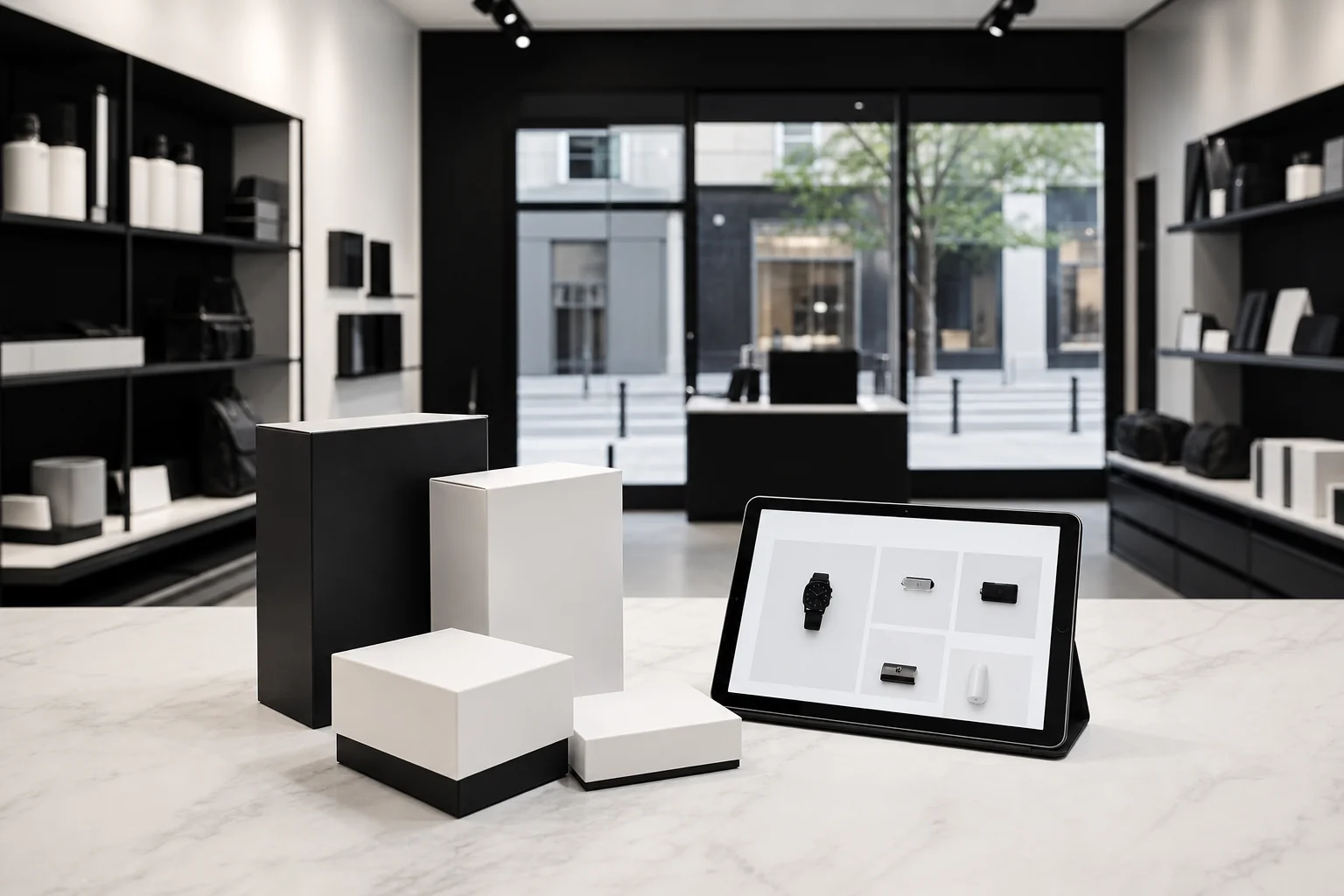
This is where SMB branding budgets usually run past initial estimates. Design fees cover the system. Rollout fees cover applying that system everywhere the brand actually appears: social templates, email headers, invoice layouts, signage, packaging, and the website itself.
For a single-location business, rollout typically adds £2,000 to £4,000. For a business with three or more locations, or an e-commerce catalog with dozens of product pages, rollout can reach £8,000 to £12,000+, since every touchpoint has to be individually updated and checked.
Website integration is usually the largest single rollout cost, since it's not just swapping a logo file. It means updating color variables in the codebase, replacing icon sets, and re-testing every page for contrast and consistency. If your refresh coincides with a broader rebuild, it's worth reading our custom web app development cost breakdown to understand how the two budgets typically overlap and where they can share design work to cut cost.
A one-time refresh solves today's inconsistency. It doesn't stop tomorrow's. New hires create their own slide decks. A regional manager picks a font that "looked fine." Six months later, the brand looks fragmented again unless someone owns it.
Ongoing brand asset management is usually structured as a monthly retainer, ranging from £300 to £1,200/month depending on how many people need access to assets and how often new materials get requested. It typically covers a maintained asset library (logos, templates, brand guide updates), a monthly or quarterly check on how the brand is being applied in the field, and quick-turnaround requests for new materials like a seasonal menu or a new location's signage.
This retainer model matters most for franchise operations and multi-location clinics or retail chains, where a single central team can't personally review every new piece of marketing before it goes live. A documented asset library with clear usage rules reduces that risk without adding headcount.
The same six pillars apply across industries, but the weighting shifts depending on what the business actually sells and where customers meet the brand.
Menu design and packaging usually dominate the budget here. A menu redesign that reflects a new identity, printed and digital, can run £1,000-£3,000 alone, and delivery packaging adds another line item that most owners underestimate on a first pass.
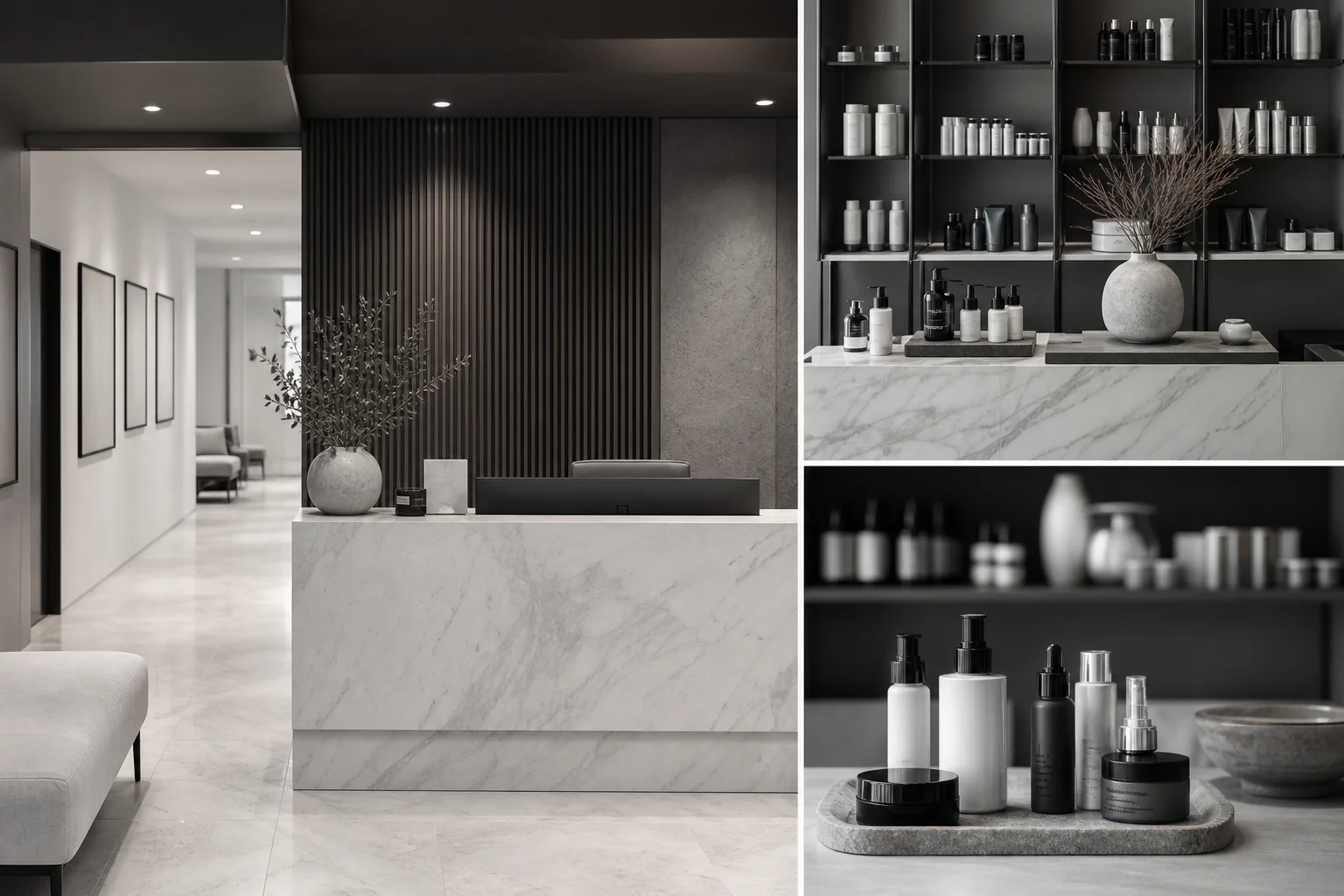
Patient trust drives design decisions more than aesthetics. Color choices, typography weight, and even the tone of appointment reminder emails need to feel calm and credible rather than trend-driven. Compliance-safe language in patient-facing materials also adds review cycles that increase strategy costs slightly.
Packaging and e-commerce templates carry the largest share of rollout budget, especially for businesses selling both in-store and online. Consistent product photography styling and category page templates matter as much as the logo itself. Our e-commerce development coverage goes deeper on how branding and storefront build costs typically overlap.
Proposal templates, case study layouts, and a consistent LinkedIn or email signature system carry more weight than physical signage. These businesses often benefit most from a lightweight but well-governed digital-first style guide rather than a heavy print system.
Phase the investment instead of trying to fund everything at once. Strategy and logo work first, since every other deliverable depends on those decisions being locked in. Rollout second, prioritizing the highest-visibility touchpoints (website, primary signage) before lower-priority items like internal templates.
If a website redesign is already on the roadmap, bundle it with the branding rollout. Updating color variables, typography, and component styles once, during a single development pass, costs meaningfully less than updating a live site twice within a year. Our guide to choosing the right tech stack is a useful next read if that bundling is on your radar.
For businesses already planning a wider digital transformation, folding branding into that scope, rather than treating it as a separate project, tends to reduce total spend by avoiding duplicated discovery and stakeholder review cycles.
Does a brand refresh always require a new logo?
No. Many SMB refreshes keep the core logo mark and update the color palette, typography, and supporting system instead, which costs significantly less than a full rebuild.
How long does a full brand refresh take?
Most SMB refreshes, from strategy session through website integration, take 6 to 12 weeks depending on how many locations and touchpoints are involved.
Is ongoing brand management necessary for a single-location business?
Usually not. It becomes valuable once more than one person is creating branded materials, or once a business operates across multiple locations or channels.
Can branding and website redesign be quoted together?
Yes, and it's often more cost-efficient. Design decisions like color and component styles can be built once and applied to both, instead of updating the site twice.
What's the biggest line item most SMBs underestimate?
Asset rollout, specifically website integration and packaging or signage production, not the logo design itself.
A digital branding cost breakdown only becomes useful once it's mapped against your specific business: how many locations, how many touchpoints, and whether a website or app rebuild is happening alongside it. Axire Infotech's design and development teams work together from the first strategy session through website integration, so your brand system doesn't just look right, it gets built correctly into every screen and touchpoint your customers see. Explore our UI/UX design services or our full service catalog, browse our past projects, or contact us to scope your brand refresh and get a line-item estimate for your specific business.
Let's discuss your project and create something amazing together.