A Galway kitchenware brand once lost 40% of its checkout attempts to a single missing feature: Apple Pay. Their store looked polished, their products were solid, and their traffic was healthy. But shoppers on mobile hit the payment step, saw only a card entry form, and left. That kind of gap is exactly why more Irish SMBs and startups now hire a specialist e-commerce development agency in Ireland instead of stitching together a store themselves.
Building an online shop today means more than picking a theme and adding products. It means handling Stripe and Mollie integrations, meeting GDPR requirements enforced by Ireland's Data Protection Commission, and designing a checkout flow that doesn't scare away mobile buyers. This guide walks through what a proper e-commerce build actually includes, how project timelines break down, and how to judge whether an agency is the right fit before you sign anything.
A template store and a professionally developed one look similar on the surface. The difference shows up in what happens behind the button. A specialist agency builds the storefront, the backend logic, the admin tools your team will use daily, and the integrations that connect payments, shipping, and inventory into one working system.
This is different from a DIY Shopify or WooCommerce setup in one key way: control. A do-it-yourself store locks you into whatever the platform's plugins allow. A custom-built or headless commerce solution gives you the flexibility to add features, change checkout behavior, or scale traffic without waiting on a third-party plugin update. For a founder weighing that decision early, it's worth reading our freelancer vs. agency decision framework before committing budget either way.
Here's what a full e-commerce build typically covers:
Payments are where most e-commerce projects either build trust or lose the sale. Irish shoppers expect the same frictionless checkout they get from larger retailers: saved cards, Apple Pay, Google Pay, and a payment step that doesn't ask them to leave the page. Getting this right is a core part of what a good e-commerce development agency handles during the build.
Stripe remains the default choice for most Irish and UK-facing stores because of its strong documentation, fraud detection tools, and support for local card schemes. Mollie has grown popular among stores selling into the Netherlands, Belgium, and wider Europe because it bundles iDEAL, Bancontact, and SEPA direct debit alongside standard card processing. Many stores serving both Irish and continental customers run Stripe and Mollie side by side, routing transactions based on the buyer's location or preferred method.

Three technical requirements matter here, regardless of which gateway you choose:
A rushed integration might get payments working in the demo but fall apart the first time a refund or a failed 3D Secure attempt happens in production. This is one reason API work is rarely a "quick add-on", our API integration FAQ covers the common questions businesses ask before scoping this kind of work.
Ireland's Data Protection Commission is one of the most active GDPR enforcers in Europe, partly because so many US tech companies base their EU operations in Dublin. That makes GDPR compliance a genuine business risk for Irish e-commerce stores, not just a box-ticking exercise. A checkout flow that collects more data than it needs, or stores it longer than necessary, creates exposure that a specialist agency should design around from day one.
Practical GDPR considerations for checkout design include:
None of this needs to slow down the build if it's planned from the start. The problem is retrofitting compliance after launch, which usually means rebuilding checkout logic under pressure. If your agency has already handled this pattern before, ask them directly, our development contract essentials guide covers what clauses should address data ownership and compliance responsibility before you sign.
A store can be technically flawless and still convert poorly. Design decisions, not just code, determine whether a visitor completes a purchase or abandons the cart on the second page. This is where UI/UX design and e-commerce development need to work as one process, not two separate handoffs.
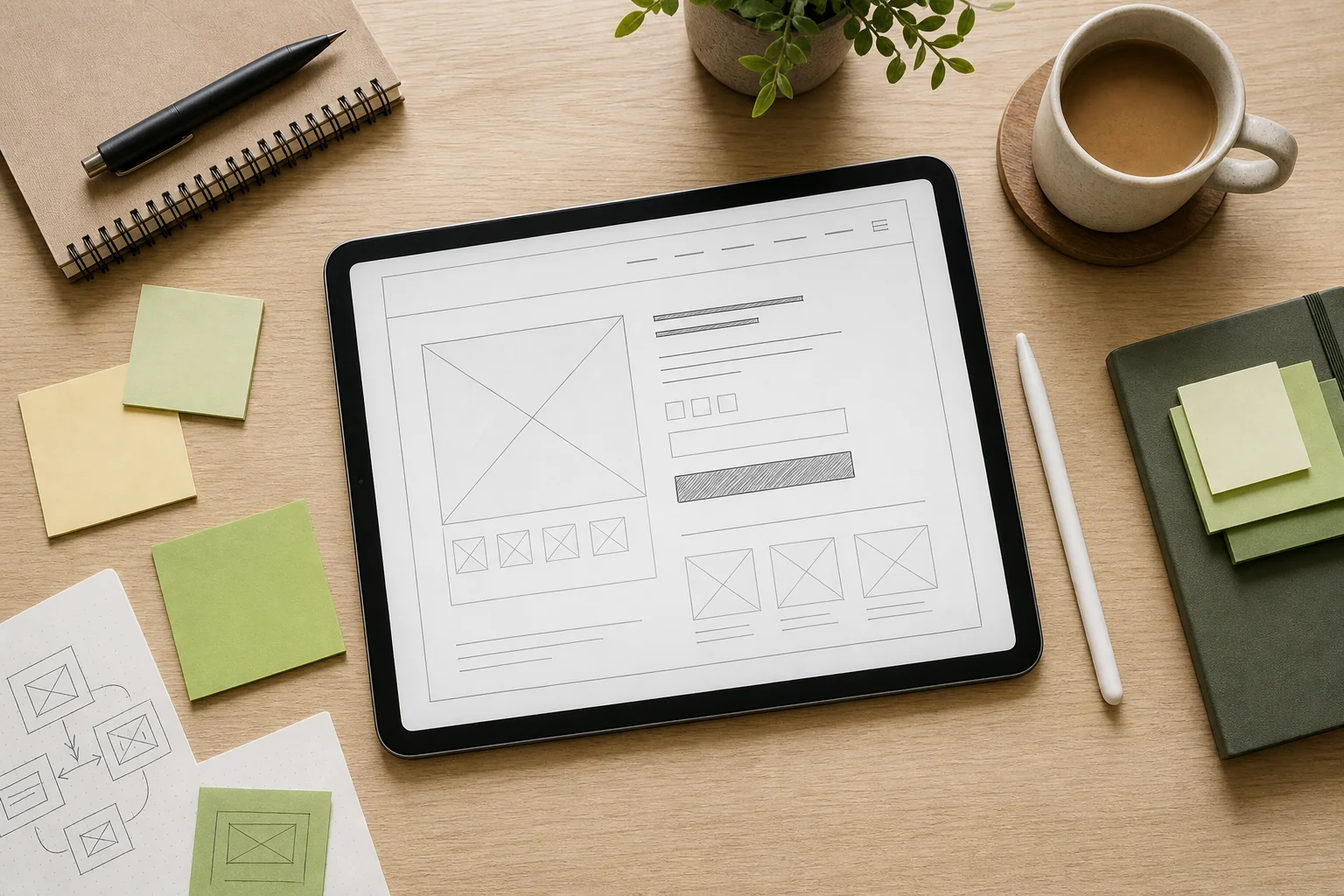
Mobile-first design isn't optional anymore. Most Irish e-commerce traffic now arrives on phones, and a store that was designed for desktop first and adapted for mobile later tends to show it: cramped buttons, slow image loading, and checkout forms that require excessive zooming. A properly built mobile experience should feel native, with thumb-friendly tap targets and a checkout that fits in three or four screens, not eight.
Trust signals matter just as much as speed. Irish and European shoppers look for clear delivery costs and timeframes before they add anything to cart, a visible returns policy, and recognizable payment icons at checkout. Hiding shipping costs until the final step is one of the most common causes of cart abandonment, and it's entirely preventable with better page layout.
Localisation details round this out:
These decisions compound. A store that gets checkout UX right typically sees measurably lower abandonment than one that treats design as an afterthought. If you're weighing a full redesign against smaller fixes, our React vs Angular for enterprise applications and Node.js for scalable applications break down the tradeoffs in more technical depth. You can also see Axire's approach directly through its web development services.
Ireland's development market has plenty of agencies claiming e-commerce expertise. Fewer have actually shipped a store that handles GDPR, PSD2, and Irish shipping logistics correctly under real traffic. Before signing a contract, ask direct questions that separate genuine experience from a polished pitch deck.
Watch for vague quotes too. A single lump-sum number without a breakdown of design, development, integrations, and QA usually means scope will shift later, and budget conversations will get uncomfortable. Our guide to defining project scope lists the elements a proper e-commerce quote should itemise before work starts.
Most Irish SMB e-commerce builds run somewhere between eight and sixteen weeks, depending on catalogue complexity, integrations, and how much custom design work is involved. A larger platform with subscriptions, multi-currency support, or ERP integration can run longer. Here's how the stages typically break down.

Longer timelines aren't automatically bad, and shorter ones aren't automatically good. What matters is whether the agency can explain what's happening at each stage and why. If a project quote skips straight from "kickoff" to "launch" with no visible milestones, that's usually a sign the scoping wasn't done properly. Our piece on how duration impacts development budget goes deeper into why rushed timelines often cost more, not less.
Launch day isn't the finish line. E-commerce stores need continuous attention because payment gateways update their APIs, browsers change how they handle cookies and consent, and traffic patterns shift with seasonal demand. A specialist agency should offer a defined post-launch plan, not a vague promise to "help if something breaks."
Proper post-launch support typically covers:
The cost of this stage varies depending on scope, and it's worth budgeting for realistically rather than treating it as an afterthought. Our breakdown of website maintenance costs gives a clearer picture of what ongoing care should reasonably cost in 2026.
Costs vary widely based on catalogue size, custom features, and integration complexity. A simple store with standard payment and shipping integrations sits at the lower end, while a custom headless build with ERP integration, multi-currency support, or subscription billing costs significantly more. Rather than quote a fixed figure that won't reflect your specific needs, request a scoped proposal that breaks down design, development, integrations, and support separately.
Most Irish SMB projects take between eight and sixteen weeks from discovery to launch. Simpler stores with fewer integrations can move faster; platforms requiring custom checkout logic or ERP connections typically take longer. Ask for a milestone-based timeline rather than a single delivery date.
If your catalogue is straightforward and your needs match standard e-commerce functionality, a well-customised platform build can work fine and launch faster. If you need custom pricing logic, complex integrations, or expect significant traffic growth, a headless architecture built with React or Next.js gives you more room to scale without hitting plugin limitations later.
At minimum, standard debit and credit card processing through Stripe, plus Apple Pay and Google Pay for mobile checkout. If you sell into the Netherlands, Belgium, or wider Europe, adding Mollie for iDEAL and Bancontact support can meaningfully reduce checkout drop-off for those customers.
This should be explicitly stated in your contract before work begins, not assumed. Reputable agencies transfer full ownership of source code and customer data to the client upon final payment. If a contract is vague on this point, push back before signing. Our development contract essentials guide covers exactly which clauses to check.
An online store is only as strong as the decisions made before the first line of code gets written: which payment gateways to integrate, how checkout handles GDPR consent, and whether the architecture can scale when traffic spikes around a seasonal sale. Getting these choices right the first time costs far less than fixing them after launch.
Axire Infotech works with startups and SMBs across Ireland and wider Europe to build e-commerce platforms that handle Stripe and Mollie payments correctly, meet GDPR requirements from day one, and convert visitors instead of losing them at checkout. If you're planning a new store or considering a rebuild of an underperforming one, explore Axire's full range of services, browse past project work, or read more on the Axire blog for related guides. When you're ready to talk specifics about your store, get in touch with the Axire team and start scoping a build that's ready for Irish and European buyers from launch day.
Let's discuss your project and create something amazing together.