A founder in Ghent recently ran a quiet experiment. She sent the same one-page SaaS brief to five agencies: two based in Brussels, one in Antwerp, and two outside the country. The Belgian quotes came back between €65,000 and €90,000 for a six-month MVP build. The outside quotes, from teams with genuine European delivery history, landed between €28,000 and €42,000 for the same scope. Same feature list. Same compliance requirements. Nearly half the price.
That gap is not a fluke, and it is why so many Belgian founders are widening their search radius when they look for a saas web app development agency that actually understands what startups need. Belgium's tech scene, anchored around Brussels, Antwerp, Ghent, and Leuven, has real momentum, but local dev talent is scarce, senior engineers are booked out months in advance, and agency day rates reflect that scarcity. This guide walks through how to find, evaluate, and hire the right partner in 2026, whether that partner sits in Belgium or works remotely with strong European experience.
Not every web shop that builds a marketing site can build a subscription product. A brochure website and a SaaS platform are different animals entirely, and confusing the two is one of the most expensive mistakes a founder can make before writing a single line of code.
A true SaaS partner needs experience with multi-tenant architecture, subscription billing logic, role-based access control, and onboarding flows that guide a new user from signup to their first "aha" moment. A generic website agency rarely has this muscle memory, even if their portfolio looks polished. Before you sign anything, ask specifically about:
If an agency can't speak fluently about these without pausing, that's a signal worth noting. For a deeper look at how these decisions should shape your written brief, see how to define your project scope before you approach any agency.
Belgium sits in an odd spot within the Benelux tech corridor. Salaries for senior developers in Brussels and Antwerp now rival those in Amsterdam, but the talent pool is smaller, which means good engineers get snapped up fast and agency bench strength runs thin. Founders who wait for a "perfect fit" local partner sometimes wait two or three months just to start discovery.
Compliance is where things get genuinely local. GDPR applies across the EU, but Belgium's data protection authority, the Autorité de protection des données (APD/GBA), has its own enforcement patterns and guidance documents, particularly around consent mechanisms and data processing agreements for SaaS products handling EU customer data. A development partner who has actually shipped a product reviewed under APD guidance brings something a generic offshore shop cannot.
There's also a bilingual reality most non-Belgian agencies miss entirely. A Belgian SaaS product serving both Flemish and Walloon customers often needs Dutch and French interface parity, not just translated strings bolted onto an English-first design. This affects everything from form validation messages to date formatting to how onboarding copy is structured. Ask any agency you're evaluating how they've handled bilingual UX before, not just whether they "can add translations."

Once you understand the market, evaluating individual agencies gets much easier. Six factors matter more than a polished pitch deck:
A quick way to test all six at once: ask for a small, paid discovery sprint before committing to the full build. Agencies confident in their process rarely push back on this.
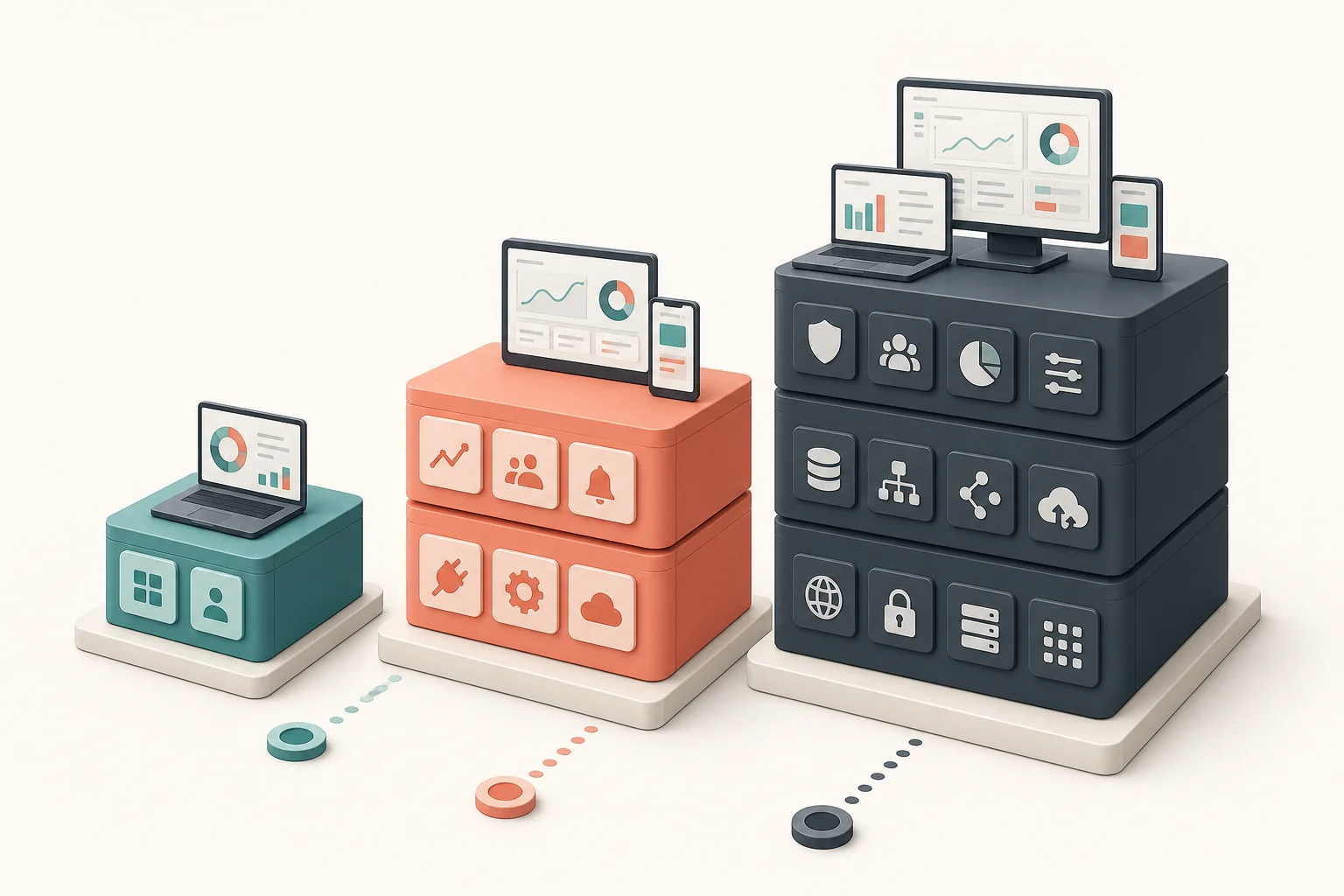
Founders rarely get a straight answer on pricing, which is frustrating when you're trying to plan a runway. While every quote depends on scope, three rough tiers hold up across most Belgian SaaS builds we see in 2026:
What consistently pushes budgets higher: third-party API integrations, multi-language interfaces, custom analytics dashboards, and heavier compliance requirements like PSD2 Strong Customer Authentication for anything touching payments. If you want a granular, feature-by-feature breakdown, our development timeline and cost guide and development budget planning framework both walk through where money actually goes. Comparing apples to apples across quotes also gets much easier once you understand what maintenance actually costs after launch, since some agencies quietly fold that into a lower headline build price and others don't.
Here's the part that surprises a lot of founders once they start comparing quotes seriously: the cost gap between Belgian agencies and experienced India-based teams isn't marginal, it's often 40-60%. What changes the equation entirely is whether that offshore team has actually delivered products for European clients before, or if you'd be their first attempt at learning GDPR and PSD2 on your dime.
An agency with a genuine European delivery track record brings three things a generic offshore vendor doesn't:
Axire Infotech is a case in point for how this model works in practice. Based in India and built specifically around European clients across the UK, Netherlands, Ireland, Germany, and Belgium, the studio structures its delivery around CET-friendly working hours and GDPR-aware development from day one, using the same modern stack (React, Next.js, Node.js, Supabase) that Western European agencies charge a premium for. Founders get the technical depth and compliance seriousness of a local partner, at a build cost that leaves meaningfully more runway for growth.
To vet whether an offshore team's European claims hold up, ask direct questions: request references from actual European clients, ask to see a data processing agreement template they've used before, and look for case studies that name real compliance requirements they navigated, not just generic "we follow GDPR" language. You can explore examples of this kind of delivery history in Axire Infotech's project portfolio.

Neither model wins in every scenario, so it helps to look at the trade-offs side by side.
Local-only makes sense when your product genuinely requires frequent in-person stakeholder workshops, or when regulatory sensitivity is extremely high (certain fintech or healthtech categories, for instance). For most early-stage SaaS founders building a standard subscription product, though, a hybrid or offshore-with-EU-experience model wins on speed and runway preservation. If you want a structured way to think through this decision, our offshore vs nearshore cost and quality comparison and freelancer vs agency decision framework both apply directly to Belgian founders weighing the same trade-offs.
Once you've narrowed your shortlist, run every finalist through the same five-step check before signing anything.
Skipping these steps is how founders end up with the horror stories that circulate in every startup Slack group: budgets blown, timelines doubled, and codebases nobody can maintain. Taking a week longer upfront to vet properly is almost always cheaper than restarting a build six months in.
No. GDPR is EU-wide legislation, and any competent development partner, wherever they're based, can build compliant systems. What matters is documented experience handling EU data protection requirements, not a Belgian mailing address. Ask for specifics: how they've handled consent management, data processing agreements, and the APD's guidance in past projects.
Most lean MVPs take 8-14 weeks depending on scope, integrations, and whether bilingual (Dutch/French) support is required from launch. Adding a second language interface or complex billing logic typically adds several weeks.
Yes, when the agency structures its schedule intentionally. Many India-based teams serving European clients shift working hours to overlap several hours with CET, enough for live standups, sprint reviews, and same-day responses to blocking issues. Ask any prospective partner directly what their standard overlap window looks like.
React and Next.js on the frontend paired with Node.js and a managed backend like Supabase remain the most practical choice for most early-stage SaaS products, balancing developer availability, performance, and speed to market. The right choice still depends on your specific product requirements, which is why a proper technical discovery conversation matters more than following trends blindly.
Break every quote down by deliverable, not just a single lump sum. Ask each agency to itemize design, core development, integrations, QA, and post-launch support separately. This makes it much easier to see where one agency is cutting corners or another is padding the estimate.
Choosing the right SaaS web app development agency is one of the highest-leverage decisions a Belgian founder makes before their first line of code gets written. Get it right, and you preserve runway, ship faster, and build on a foundation that scales past your Series A. Get it wrong, and you're rebuilding in eighteen months with a smaller budget and a harder conversation with investors.
Axire Infotech works with early-stage founders across Belgium and the wider European market, combining a modern tech stack with genuine GDPR-aware, CET-friendly delivery. Explore the web development services built specifically for SaaS platforms, or look at the UI/UX design process that shapes how European users actually experience your product. If mobile is part of your roadmap, the app development services page covers cross-platform builds using React Native. For a broader look at delivery history, browse past projects, or see the full services list and more articles on the blog.
If you're ready to stop comparing vague quotes and start a real technical conversation, contact Axire Infotech to scope your Belgian SaaS build and get a clear, itemized proposal within days.
Let's discuss your project and create something amazing together.