Stay informed with the latest trends, tips, and insights from our team of experts
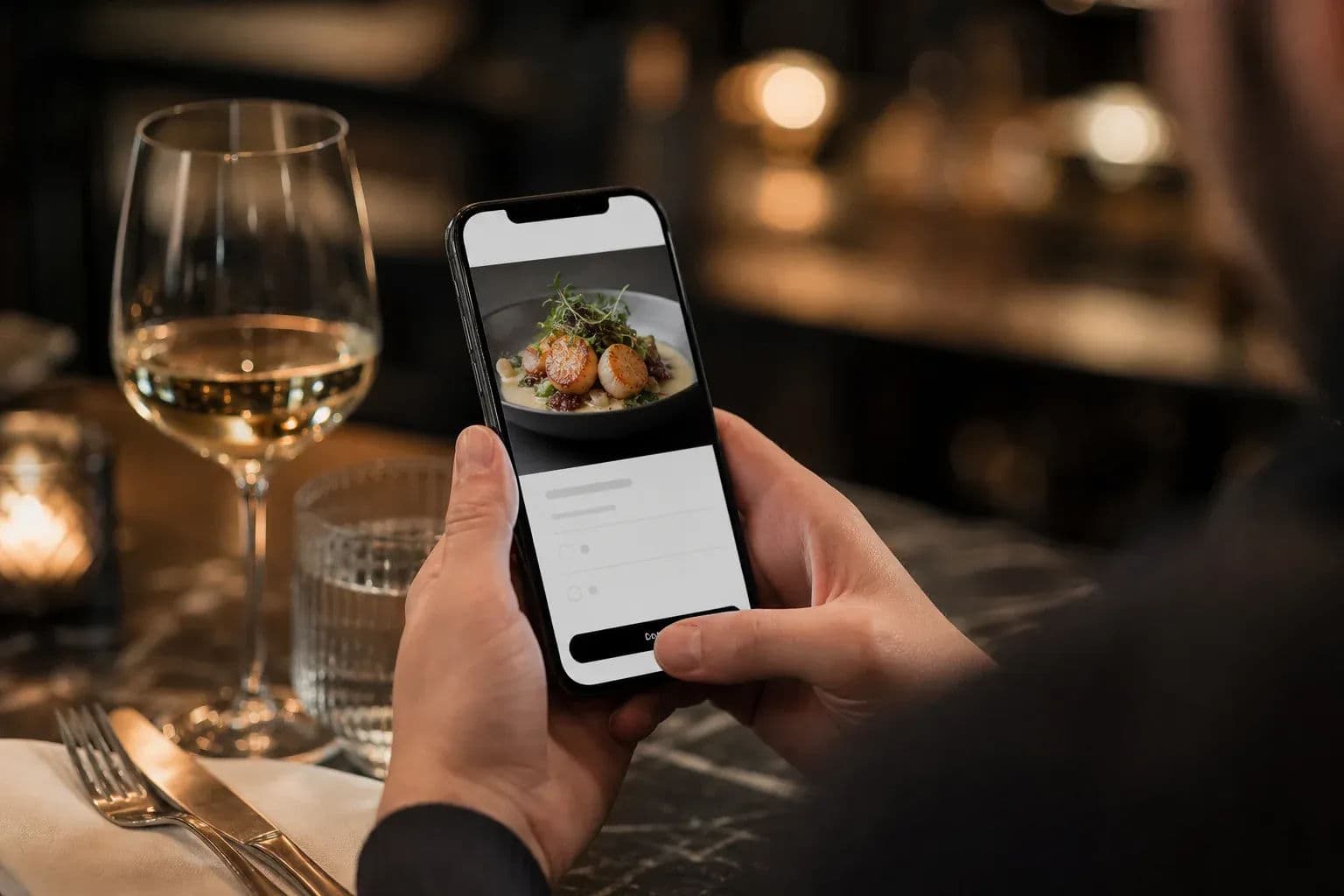
A practical guide for restaurant owners on the must-have features of a modern restaurant website in 2026 — online ordering, mobile-first design, booking integrations, and conversion-focused UX. Maps to Axire's Web Development and UI/UX Design services and the SMB target audience (restaurants) struggling with slow, non-responsive sites that lose customers. Covers what to brief a development partner on before starting a build.
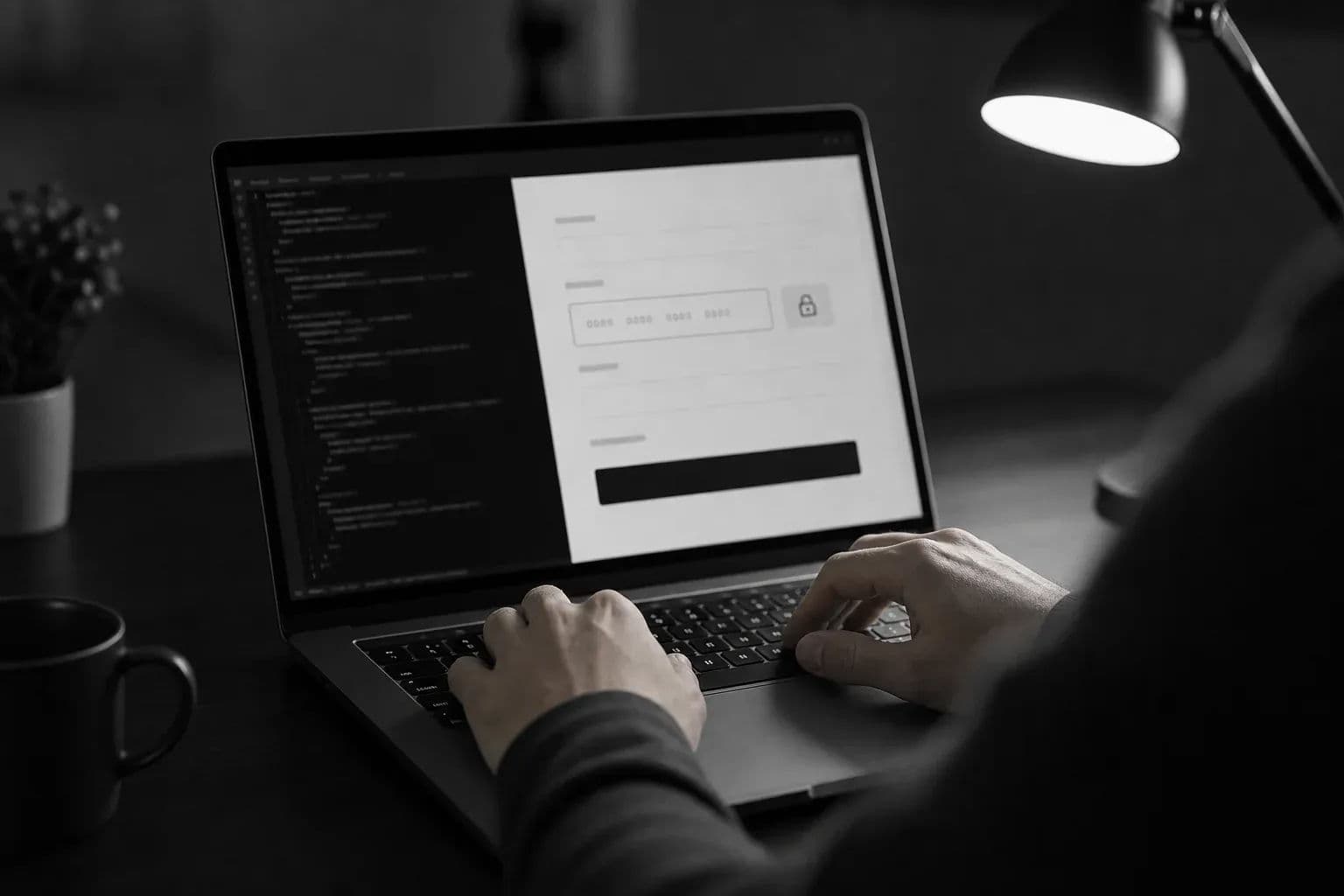
A practical guide for SMB and startup founders on integrating payment gateways (Stripe, Adyen, Mollie) into a web app, covering PSD2/SCA compliance, checkout UX, and common integration failures. Cross-links to the "API Integration Cost by Use Case" article for pricing context, but focuses specifically on the technical integration steps and compliance checklist rather than cost breakdown.

A cost breakdown for restaurant and hospitality SMBs looking to build an online ordering app, covering feature-driven pricing (menu management, payment gateway, delivery tracking) and React Native cross-platform development. Cross-links to the Day 1 restaurant website design 2026 article for readers wanting the web-side counterpart. Targets restaurant/retail SMB owners weighing custom app vs third-party ordering platforms.
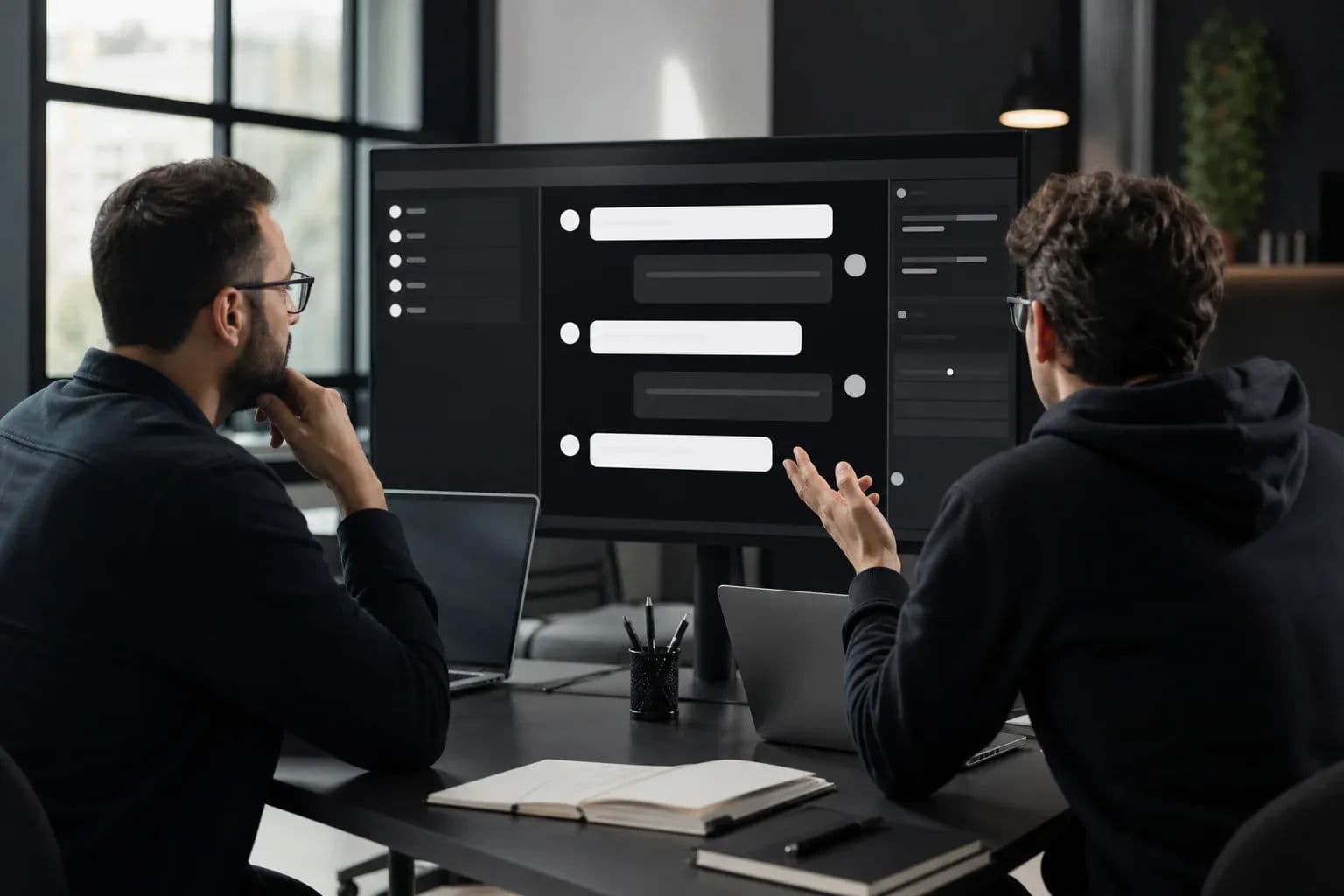
What an AI chatbot costs to build for a SaaS product in 2026 — from simple FAQ bots to RAG-powered assistants — and the factors that drive the price.
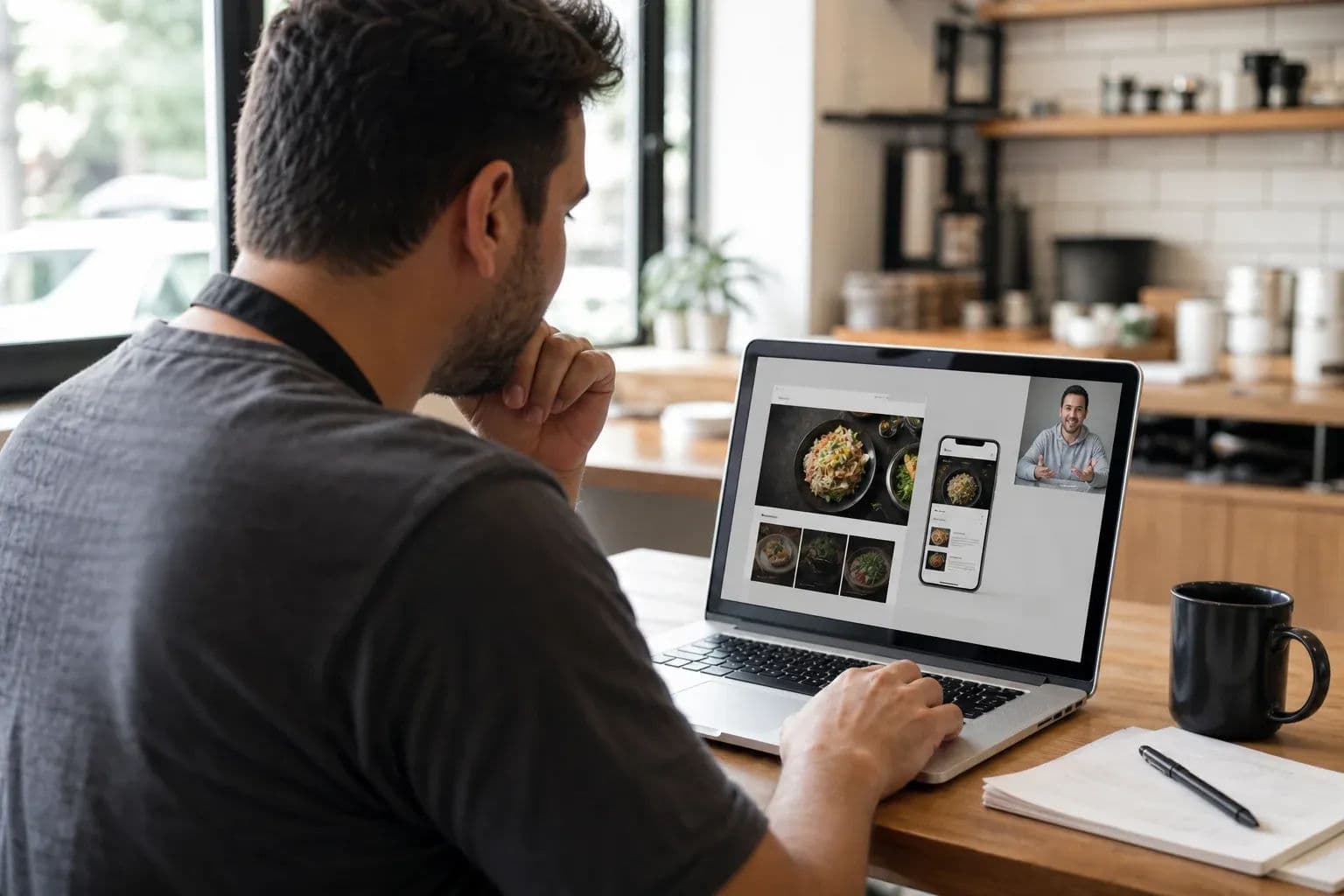
A practical guide for small and medium businesses evaluating a digital transformation agency for smbs, covering red flags, must-ask questions, and pricing transparency. Includes a checklist for restaurants, clinics, and retail businesses upgrading their digital presence.

A founder-focused primer on evaluating an mvp development company for startups, including questions on agile process, pricing honesty, and scalability planning. Written for early-stage teams building their first digital product.

A guide for Danish businesses on what deliverables, timelines, and compliance standards to expect from a web app development company denmark clients partner with remotely. Covers GDPR considerations and communication workflows.

Addresses the common founder fear that an affordable mvp development agency means lower quality, showing how offshore studios balance cost and technical depth. Includes questions to vet quality before signing.

Breaks down the real cost drivers behind startup web app development cost, from feature scope to integrations, helping founders understand quotes before signing. Includes a transparent line-item cost example.

Compares evaluation criteria for founders selecting a cross-platform mobile app development company, covering React Native expertise, single-codebase savings, and post-launch maintenance. Includes a European market lens for UK and EU clients.

Breaks down when custom software development for small business makes financial sense versus off-the-shelf tools, using ROI examples from clinics and retail clients. Helps SMB owners decide if a custom build fits their growth stage.

How Dutch startups should weigh nearshore versus offshore development — cost, time-zone overlap, and quality — to pick the right delivery model.