Stay informed with the latest trends, tips, and insights from our team of experts

A rundown of the most common and costly mistakes early-stage founders make when building their first product, from over-engineering to skipping user testing. Each mistake is paired with a fix drawn from Axire's agile delivery process.

Many founders assume an MVP takes months; this post breaks down a realistic week-by-week timeline from discovery through launch and explains what causes delays. It addresses the common pain point of startups needing fast, affordable development without sacrificing quality.

A practical walkthrough for early-stage founders on cutting a feature wishlist down to a true minimum viable product, using a simple scoring framework to separate must-haves from nice-to-haves. Includes examples of what Axire's Discovery & Planning phase typically trims from first drafts.

A practical guide for SMBs and enterprises running older backend systems who need to add modern payment gateways without a full rebuild. Covers middleware bridging, common failure points with outdated databases/APIs, and PSD2/SCA compliance considerations. Cross-links to Day 2's payment gateway PSD2 pitfalls article and Day 14's ERP integration piece, but focuses specifically on legacy/older-stack integration rather than greenfield builds.

A practical guide for founders and product teams on building a User Acceptance Testing checklist before going live, covering functional flows, edge cases, browser/device coverage, and sign-off criteria. Maps to Axire's Development & Testing step in their 4-step process and addresses the pain point of businesses facing quality issues and long timelines. Cross-links to the 'development contract' and 'agile development' posts for related process context.

Compares headless CMS architecture against traditional monolithic CMS setups for SaaS marketing sites and product dashboards, covering performance, dev speed with Next.js, and content team autonomy. Helps SaaS founders decide which approach fits their team size and roadmap. Cross-links to the Day 9 'Monolith vs Microservices for SaaS Startups' article since it shares the architecture-decision intent but focuses on content/CMS layer rather than backend services.

A step-by-step walkthrough of Axire's Design & Prototyping phase (step 2 of their 4-step process) showing founders how a structured design sprint with wireframes, mockups, and interactive Figma prototypes prevents costly rework once development starts. Cross-links to the Discovery & Planning phase FAQ article and the UAT checklist post, mapping to the UI/UX Design service and the pain point of long timelines/quality issues from unclear specs.</description> </invoke>

A guide for NGOs and nonprofits on when off-the-shelf tools fall short and custom software (donor management, volunteer coordination, reporting dashboards) pays off. Covers scoping on limited budgets, grant-friendly cost transparency, and Axire's discovery-to-launch process for enterprise/NGO clients. Cross-links to the digital transformation roadmap article for SMBs.

A buyer's guide for founders comparing mobile app development quotes, showing red flags like vague scope, hidden platform-specific costs, and unclear ownership terms. Covers how to compare React Native cross-platform quotes vs native iOS/Android bids line by line. Cross-links to Day 12's 'How to Vet a Custom Software Quote' for the web-app equivalent checklist.

A practical guide for founders and product teams switching development partners or scaling with a new team, covering knowledge transfer, code handover, and how Axire's Discovery & Planning phase prevents the usual 2-4 week productivity dip. Cross-links to the 'What Your Development Agency Should Deliver in the First 30 Days' article for onboarding standards.

A buyer's guide walking founders through evaluating digital branding agencies: portfolio review, pricing transparency, deliverables (logo, visual identity, brand guidelines), and how branding ties into product UI/UX. Cross-links to the Digital Branding Cost Breakdown and Digital Branding for B2B Startups articles, but focuses on the agency-selection decision itself rather than cost or visual-identity tactics.
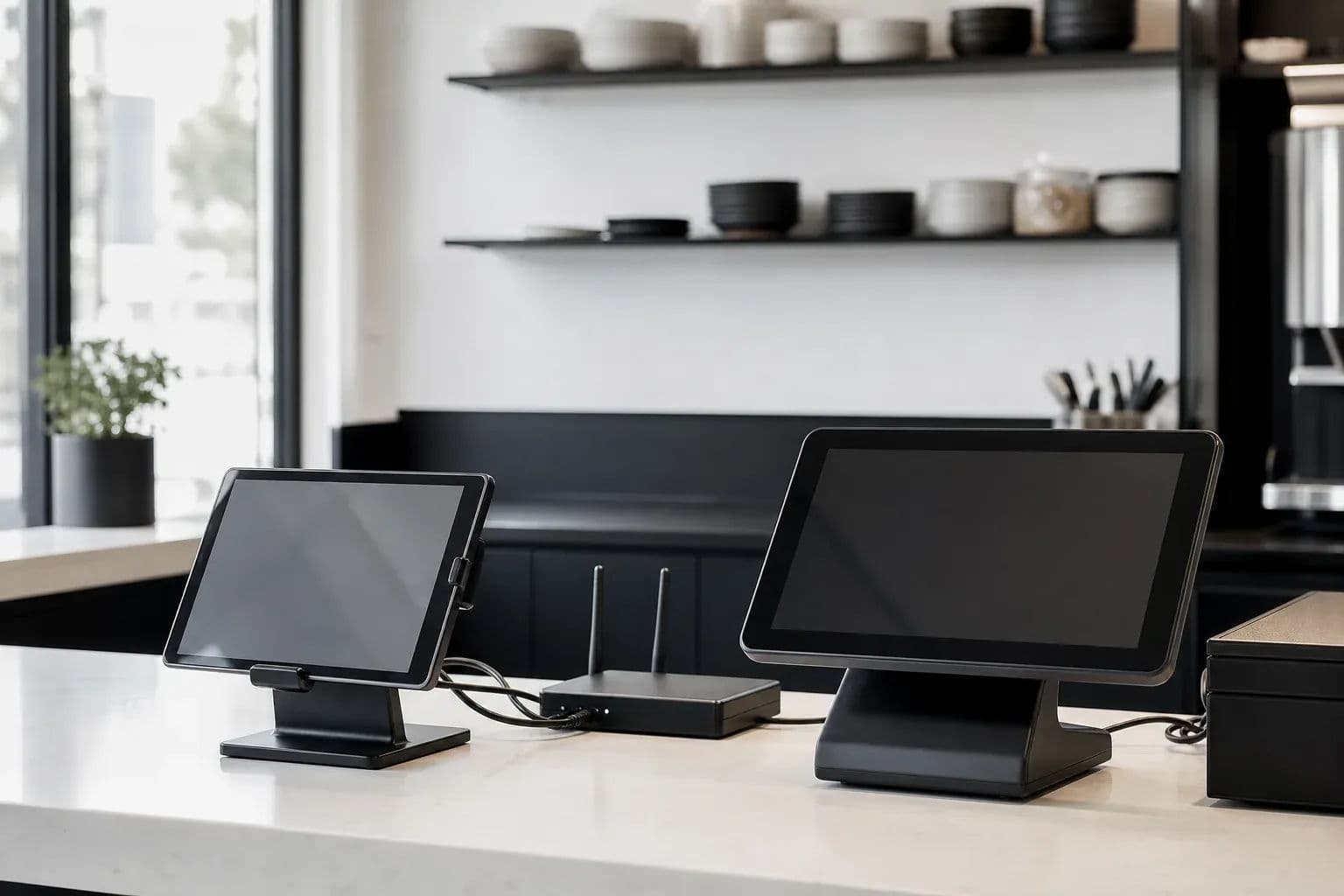
A use-case breakdown comparing booking/scheduling app requirements for clinics vs restaurants — different data models, no-show handling, and integrations. Cross-links to Day 5 (clinic booking apps) and Day 10 (salon/spa booking) but focuses on architectural decisions (recurring appointments vs table turnover logic) rather than repeating cost or vertical-specific guides. Maps to the Custom Software Development feature and SMB target audience pain point around scalable digital solutions.