A great product isn’t defined by how it looks, but by how it feels. The smoothness of an interaction, the clarity of navigation, the joy of discovery, all come together to form what we call a User Experience (UX).
At Axire Infotech, we believe UX isn’t a department, it’s a mindset. Our mission is simple: to design experiences that are not only visually beautiful but also seamlessly functional. Every pixel, transition, and piece of code works toward one shared goal, making technology feel human.
Design is often misunderstood as decoration. But for us, design is how it works, not just how it looks. A well-designed interface is invisible, guiding users naturally without forcing them to think too hard.
At Axire Infotech, our UX philosophy rests on three pillars:
Our approach ensures that design decisions are not based on assumptions, but on research, observation, and continuous user feedback.
“We don’t design for screens — we design for people.”
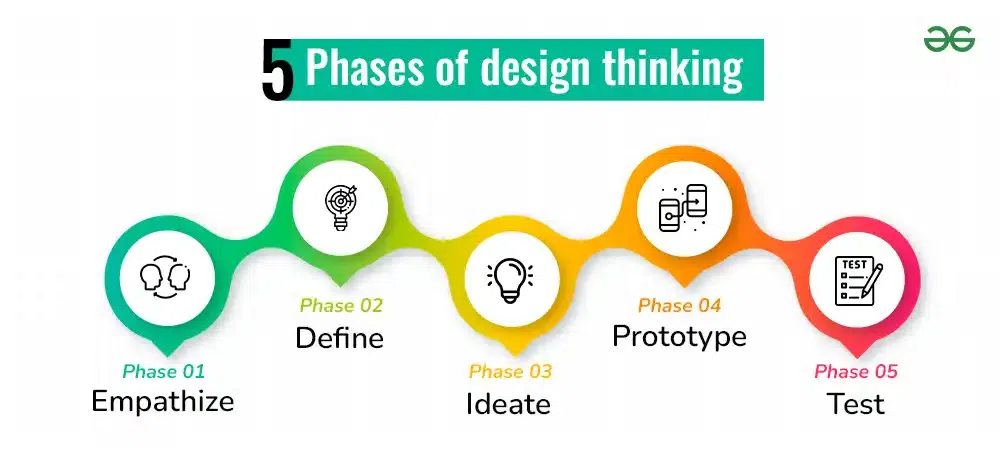
We apply the Design Thinking methodology to every project, a structured, human-centered approach that bridges creativity with logic.
Our Design Thinking Process Includes:
This cycle helps us build designs that aren’t just pretty interfaces but functional problem solvers.
While design shapes how users see and feel, frontend development determines how those feelings come to life. At Axire Infotech, our designers and frontend engineers work side by side from day one, not in silos.
The outcome is seamless, interfaces that load faster, respond better, and feel alive.
“Every smooth animation, every micro-interaction, is a dialogue between design and code.”
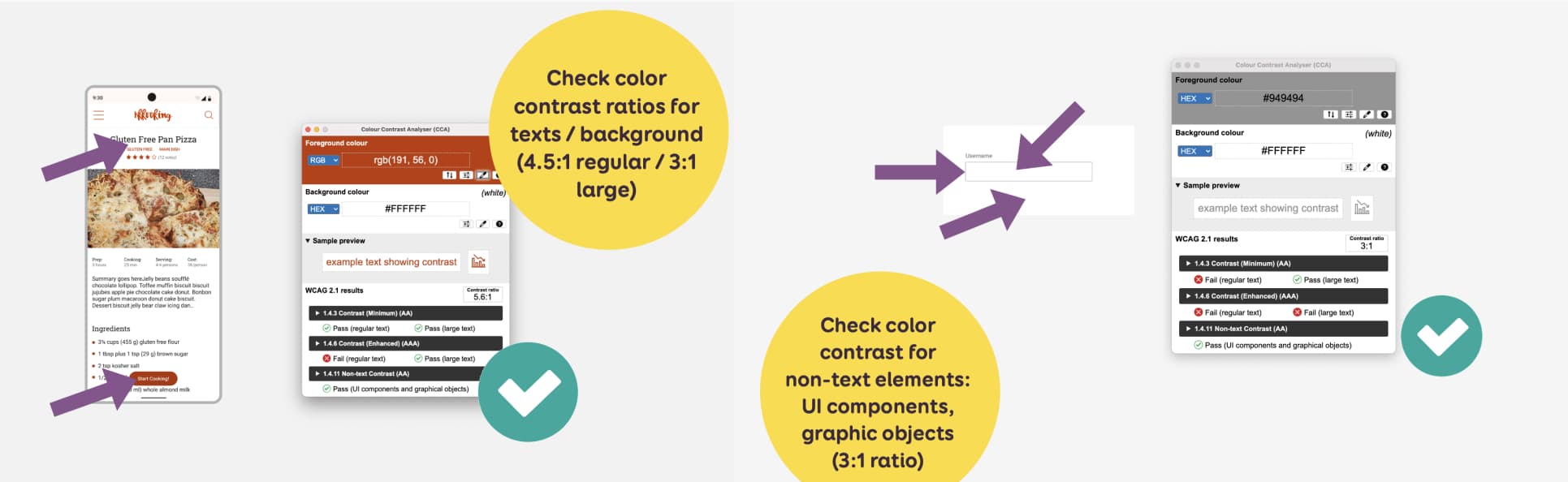
A truly great experience is one that everyone can use. We’re committed to web accessibility (a11y) standards like WCAG 2.1, ensuring that our digital products are inclusive to all users, including those with disabilities.
We implement:
Inclusivity isn’t just a compliance checklist for us, it’s a moral responsibility. Our goal is to create experiences that don’t leave anyone behind.
Speed is part of experience. A beautiful website that loads slowly frustrates users before they even see your design.
That’s why our frontend engineers optimize every asset, animation, and line of code for performance. Using tools like Lighthouse, Core Web Vitals, and lazy loading, we ensure interfaces remain smooth, even on low-end devices.
Our Performance Practices Include:
A faster experience equals a happier user, and better conversion rates.
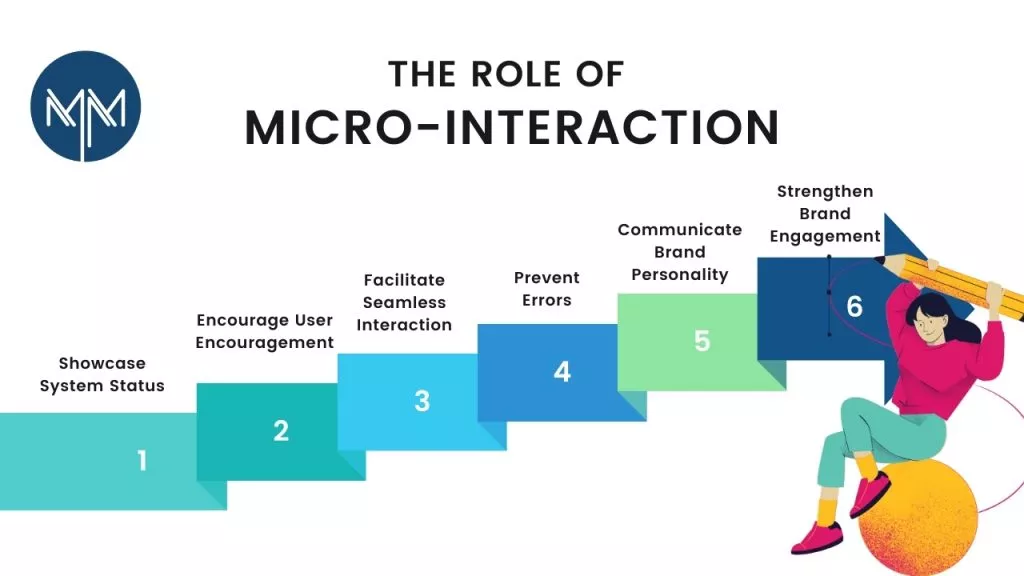
Every digital experience should do more than just “work.” It should delight. We focus on adding subtle emotional cues that elevate usability:
Small details create big emotions, and those emotions build trust.
mated feedback.*
Our UX process thrives on collaboration, between design, engineering, and clients. Every project includes:
By maintaining open communication, we reduce rework, accelerate timelines, and build solutions that everyone feels proud of.
Tools We Use:
Recently, we designed an e-learning dashboard for one of our clients. The challenge was to improve engagement and simplify navigation for thousands of users accessing content daily.
Our approach:
Result: A 34% improvement in session duration and a 22% increase in course completion rates within the first month of rollout.
This project reinforced what we believe, great UX is measurable.
UX isn’t a one-time deliverable; it’s a journey that evolves with users. We continuously track analytics, gather feedback, and use A/B testing to refine every experience over time.
Our UX lifecycle includes:
This ensures our products remain relevant, intuitive, and enjoyable long after launch.
At Axire Infotech, we don’t believe in separating design and technology, they are two halves of the same soul. Every button, transition, and layout decision comes from collaboration between artistic intuition and technical precision.
Our clients often say that working with us feels different, because they experience our passion firsthand. For us, design isn’t a deliverable. It’s a promise, to make the digital world a little more human, one interface at a time.
“Good UX is invisible, but its impact is unforgettable.”
The intersection of design and functionality is where innovation truly lives. At Axire Infotech, our commitment to UX goes beyond visuals, it’s about crafting meaningful, functional, and emotionally resonant experiences that leave a lasting impression.
In every project, we decode user needs, translate them into intuitive design, and bring them to life through the power of technology. The result? Digital products that don’t just work, they connect.
Let's discuss your project and create something amazing together.